Every business, regardless of size or industry, deals with a massive volume of documents every single day: contracts, reports, invoices, internal policies, customer feedback, knowledge base articles, and more. Managing all of this manually is not just time-consuming, it is also prone to errors that can cost your business dearly. That is exactly where AI business documents analysis steps in. It transforms the way organizations process, review and extract value from their documents, making operations faster, smarter and far more reliable than traditional manual methods ever could.
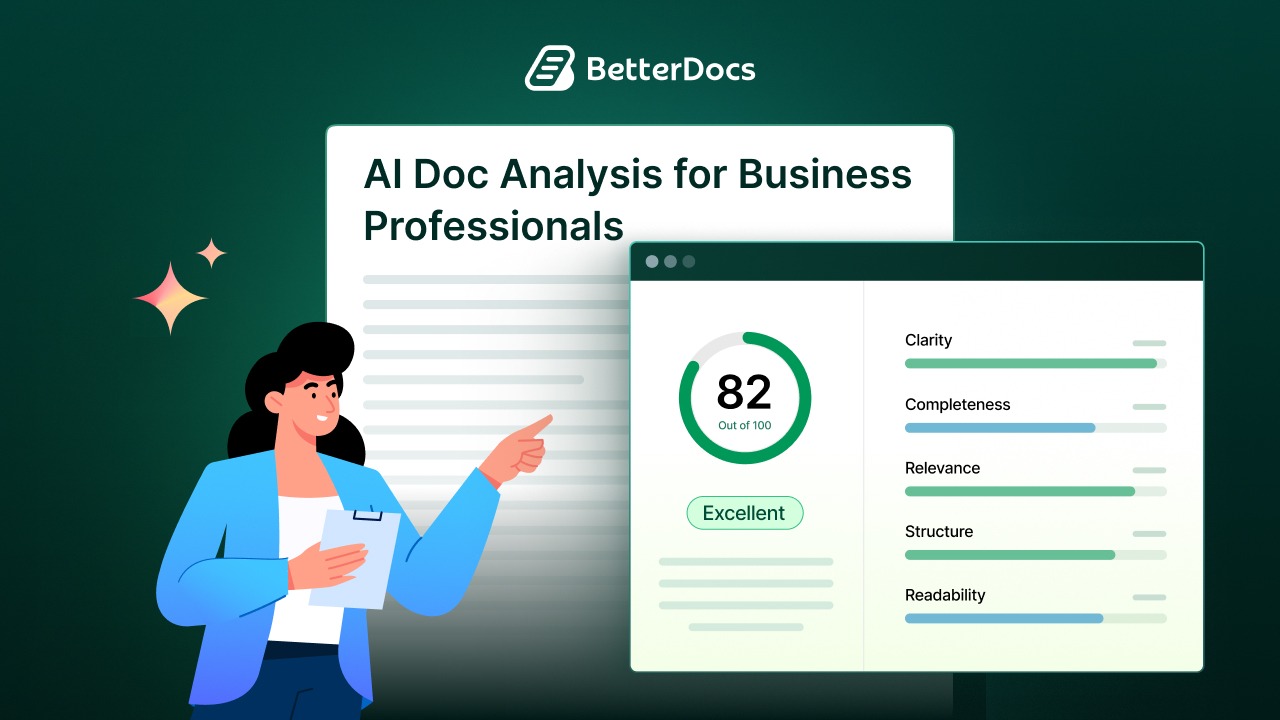
But here is the real question most professionals ask: “Is this actually relevant to my business?” The short answer is yes and this blog will show you exactly why. Whether you are just getting started or looking for ways to scale your document management strategy, understanding AI document analysis is one of the most valuable things you can do for your business right now. By the end of this blog, you will know what it is, why it matters and how to start doing it today.
What Is AI Document Analysis?
AI document analysis is the process of using artificial intelligence to automatically read, understand, extract and evaluate information from documents. Instead of having a team manually go through stacks of paperwork or digital files, AI does the heavy lifting, scanning content, identifying patterns, flagging inconsistencies and delivering actionable insights in a fraction of the time.
Think of it this way: imagine your company has a library of 500 product documentation pages, legal contracts, or HR policy files. Going through each one to check whether they are clear, complete and up to date would take weeks. With AI document analysis, you can run an automated scan across all of them in minutes and get a detailed report showing what is working, what is missing, and where improvements are needed.
For example, a SaaS company managing a knowledge base can use AI to assess whether each documentation article is clear, complete and easy to understand for the end user.
At its core, AI document analysis is not just about reading text. It is about understanding context, evaluating quality, and turning raw documents into structured, actionable data that businesses can actually use.
Why Is AI Business Documents Analysis Important?
Now that you know what AI document analysis is, let us talk about why it is something every business professional should be paying close attention to. Here are five compelling reasons.
Saves Significant Time And Resources
Manual document review is one of the most time-intensive tasks in any business workflow. Employees spend hours sifting through reports, contracts and policies, time that could otherwise be spent on strategic work that actually grows the business. AI document analysis automates this entire process, cutting review time from days to minutes.
Example: A financial services company that previously spent two full working days reviewing quarterly compliance reports can now complete the same task in under an hour using AI-powered analysis tools. That is dozens of man-hours saved every single quarter.
Reduces Human Errors And Inconsistencies
When humans review documents, especially under tight deadlines or high volumes, mistakes happen. A missed clause in a contract, an outdated policy left unrevised, or an incomplete documentation article can all lead to serious downstream consequences. AI does not get tired, distracted, or rushed; it applies the same level of scrutiny to every single document, every single time.
Example: An HR department managing employee handbooks across multiple regional offices can use AI document analysis to ensure that every version of the handbook meets the same quality standards and contains all required sections, eliminating the risk of one branch operating on outdated guidelines.
Improves the Quality
Your customers and users interact with your documentation, knowledge base articles, help guides and support content regularly. If that content is poorly structured, hard to understand, or missing critical information, it directly impacts their experience and trust in your brand. AI document analysis evaluates the quality of your content and points out exactly where it falls short.
Example: A software company running a self-service support portal can use AI to analyze each knowledge base article for clarity, completeness, and readability. If an article is flagged for being too technical or missing key steps, the team can fix it before it frustrates users and drives up support ticket volume.
Supports Better Decision-Making
AI document analysis does not just identify issues, it generates structured insights from unstructured data. This means your leadership team can make smarter, faster decisions based on real information pulled from your documents, rather than relying on gut feeling or manual summaries. Pairing these insights with AI analytics software takes it a step further, letting teams compare document data against sales, support, or compliance metrics for even sharper decision-making.
Example: A retail business analyzing customer feedback forms and complaint reports can use AI to detect recurring themes and patterns across thousands of entries. Instead of guessing what product areas need improvement, they get a clear, data-backed summary of exactly what customers are saying and how frequently.
Helps You Stay Compliant And Audit-Ready
For businesses in regulated industries, compliance is non-negotiable. AI document analysis can continuously monitor documents for regulatory compliance, flag content that does not meet current standards, and generate audit trails automatically, giving you peace of mind and saving you from costly compliance failures.
Example: A healthcare organization dealing with patient consent forms and medical records can use AI document analysis to ensure every document follows HIPAA standards. Any form that is incomplete or non-compliant gets flagged immediately, preventing potential legal issues before they escalate.
How to Do Business Document Analysis with AI?
By now, you already understand the value of AI document analysis, and you might be wondering, where do you actually start? While there are several tools available in the market, if your business runs a knowledge base or documentation system on WordPress, BetterDocs offers one of the most practical and purpose-built solutions for this: its Doc Quality Analysis feature.
This feature is part of BetterDocs’ AI Content Suite and allows you to automatically assess the quality of every documentation article on your website. Here is how it works.
Step 1: Connect Your OpenAI API Key to BetterDocs
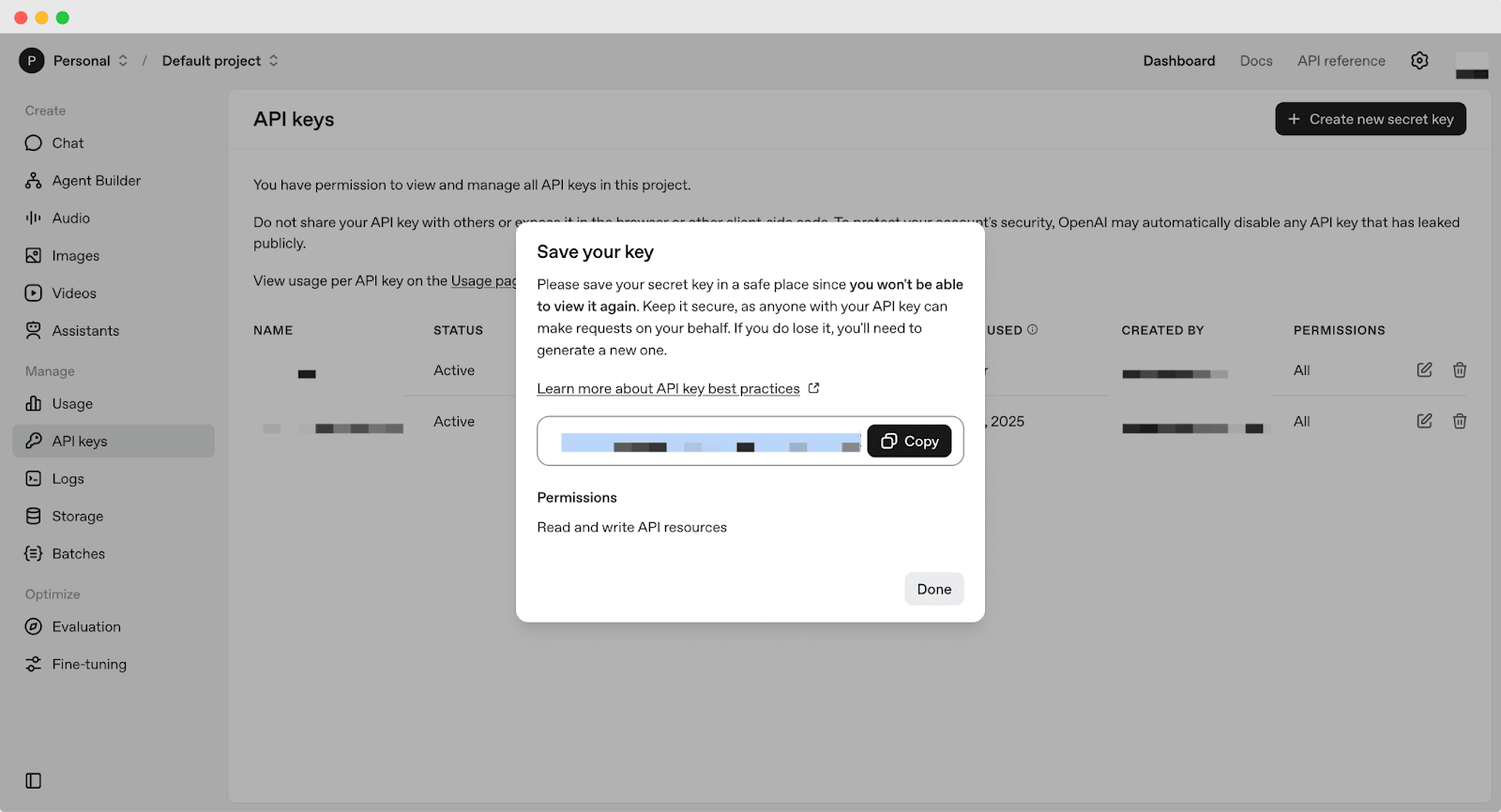
To get started with the Doc Quality Analysis feature, you first need to connect BetterDocs with OpenAI. Go to your BetterDocs dashboard, navigate to Settings → AI Content Suite and paste your OpenAI API key under the API Settings tab. If you do not have an API key yet, you can generate one from the OpenAI platform page. Just click on “Create new secret key,” name it, select your project, and copy the key.
Once the API key is saved, BetterDocs is ready to start analyzing your documentation with AI.
Step 2: Analyze Your Documentation
With the connection set up, navigate to any individual documentation page in your WordPress dashboard. Scroll down to the bottom of the document editor and you will find the Doc Quality Analysis section. Click on “Analyze with BetterDocs AI,” and that is it. The AI will immediately run a full quality assessment and return a detailed score along with specific improvement areas.
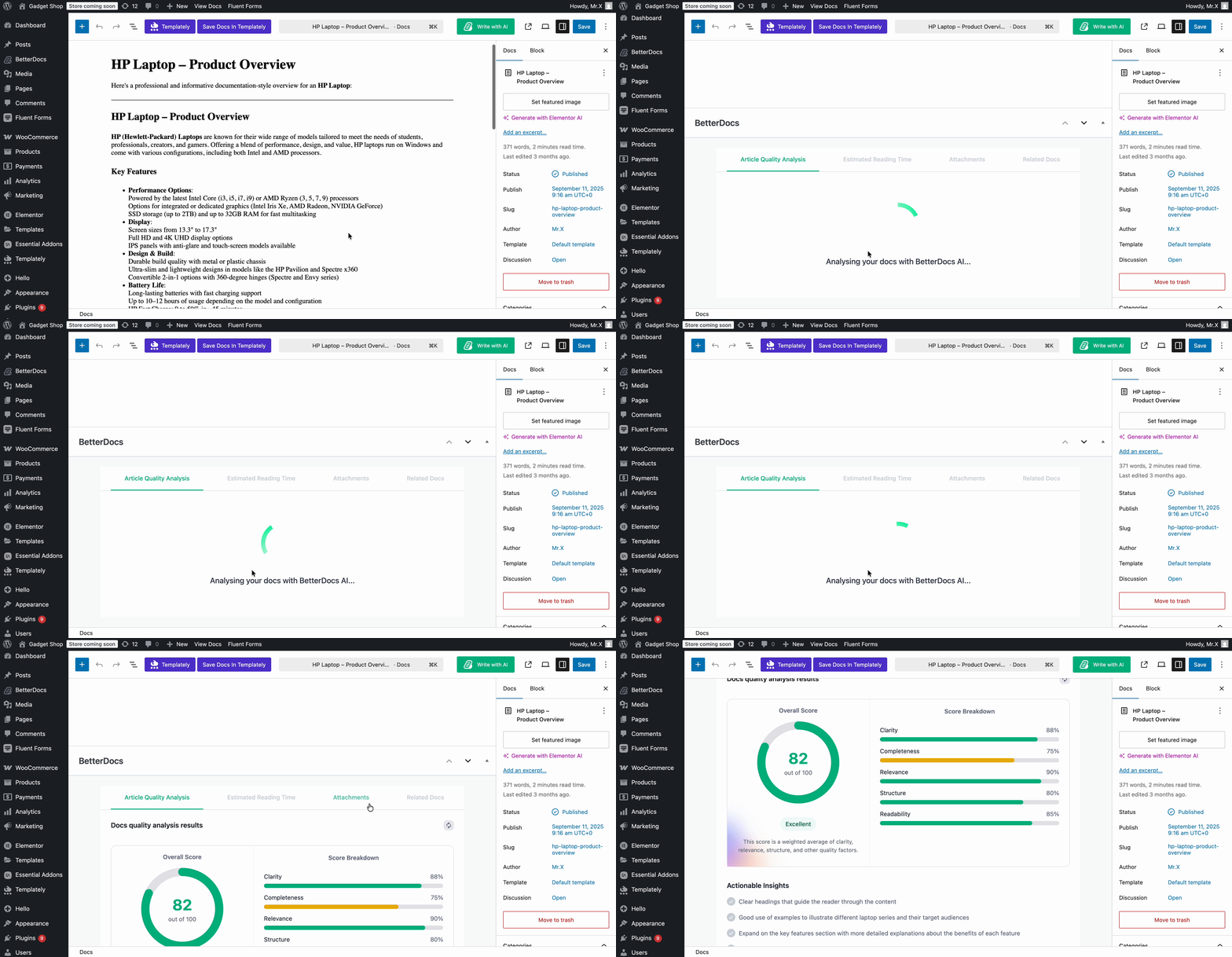
For more information, check the documentation to better understand how this feature works on your WordPress website
What Does BetterDocs AI Analyze?
BetterDocs evaluates your documentation across five critical quality metrics:
- Clarity — Checks for consistency in terminology, style, and formatting throughout the document.
- Completeness — Assesses whether all required information is present and nothing important has been left out.
- Relevance — Determines how well the document’s content aligns with its title and intended purpose.
- Structure — Evaluates the organization of the document and how easy it is for users to navigate and find what they need.
- Readability — Checks whether the language and complexity of the content is appropriate for the target audience.
What makes this feature particularly powerful is that it does not just give you a vague score, it gives you a detailed breakdown across all five dimensions, so your team knows exactly what to fix and where to focus their efforts.
Why Is This Approach Effective?
Rather than relying on manual proofreading or generic grammar checkers, BetterDocs’ AI-powered analysis applies domain-relevant criteria specifically designed for documentation quality. It is the difference between checking spelling and actually understanding whether your document will work for the user who needs it.
If you are looking for the best AI for document analysis in the context of knowledge base management, BetterDocs is a strong contender, especially for businesses already using WordPress to host their documentation.
Which Type of Business Needs to Analyze Documents?
Here is something important to understand: almost every type of business can benefit from AI document analysis. Whether you have five employees or five thousand, if your business creates, stores, or manages documents and virtually every business does, then document analysis matters for you.
That said, some industries rely on document-heavy workflows so regularly that AI document analysis is not just beneficial, it is practically essential. Here are the businesses that need it most:
- Legal Firms and Law Practices: Legal professionals deal with contracts, case files, compliance documents and briefs daily. AI document analysis helps them quickly extract key clauses, compare document versions, identify risks and ensure that every contract meets the required legal standards — dramatically reducing manual review time and the risk of costly oversights.
- Healthcare and Medical Organizations: From patient consent forms to clinical trial reports and medical records, healthcare organizations manage an enormous amount of sensitive and highly regulated documentation. AI analysis helps ensure compliance with standards like HIPAA, flags incomplete records, and helps staff quickly retrieve relevant patient information without wading through hundreds of files.
- Financial Services and Banking: Banks, accounting firms and financial advisors process loan applications, audit reports, compliance filings, and investment documents constantly. AI document analysis helps them verify the completeness and accuracy of these files, detect anomalies, and ensure every document meets regulatory requirements before submission.
- eCommerce and Retail Businesses: For eCommerce businesses, product descriptions, return policy documents, supplier agreements, and customer feedback reports are all critical. AI analysis helps identify gaps in product documentation, maintain consistency across hundreds of listings, and extract valuable insights from customer reviews at scale.
- SaaS Companies and Tech Businesses: Software companies maintain large knowledge bases, API documentation, user guides, release notes and internal wikis. Keeping all of this content accurate, up to date, and user-friendly is a constant challenge. AI document analysis tools like BetterDocs allow these teams to continuously monitor and improve documentation quality, reducing support tickets and improving the overall user experience.
- Educational Institutions and EdTech Platforms: Schools, universities, and online learning platforms manage course materials, student handbooks, accreditation documents, and research papers. AI document analysis helps ensure that educational content meets required standards, is clearly written for the target audience, and does not contain outdated or inaccurate information.
- HR and Recruitment Departments: From job descriptions and employee handbooks to performance reviews and onboarding documents, HR teams manage a wide range of sensitive documentation. AI document analysis helps ensure consistency across all materials, flags missing information in employee files, and helps HR teams maintain compliance with labor laws and internal policies.
Manage And Improve Document Quality in Smarter Way
If there is one thing this blog should make clear, it is that AI document analysis is not a luxury reserved for large enterprises with big budgets and dedicated data teams. It is a practical, accessible, and increasingly essential capability for any business that takes its documentation, compliance, and customer experience seriously.
From saving time and reducing errors to improving content quality and staying audit-ready, the business case for AI document analysis is impossible to ignore. And the good news is, you do not need to completely overhaul your workflow to get started. If you are already managing documentation on WordPress, a tool like BetterDocs makes it incredibly straightforward to connect your OpenAI API key, run the analysis on any document and start making data-backed improvements immediately. Do not let your documents become a liability when they could be one of your greatest business assets. Hopefully, this article has helped you better understand document analysis. If you want to learn more about documentation, then subscribe to us. Also, do not forget to join our Facebook Community.